
Archives
-
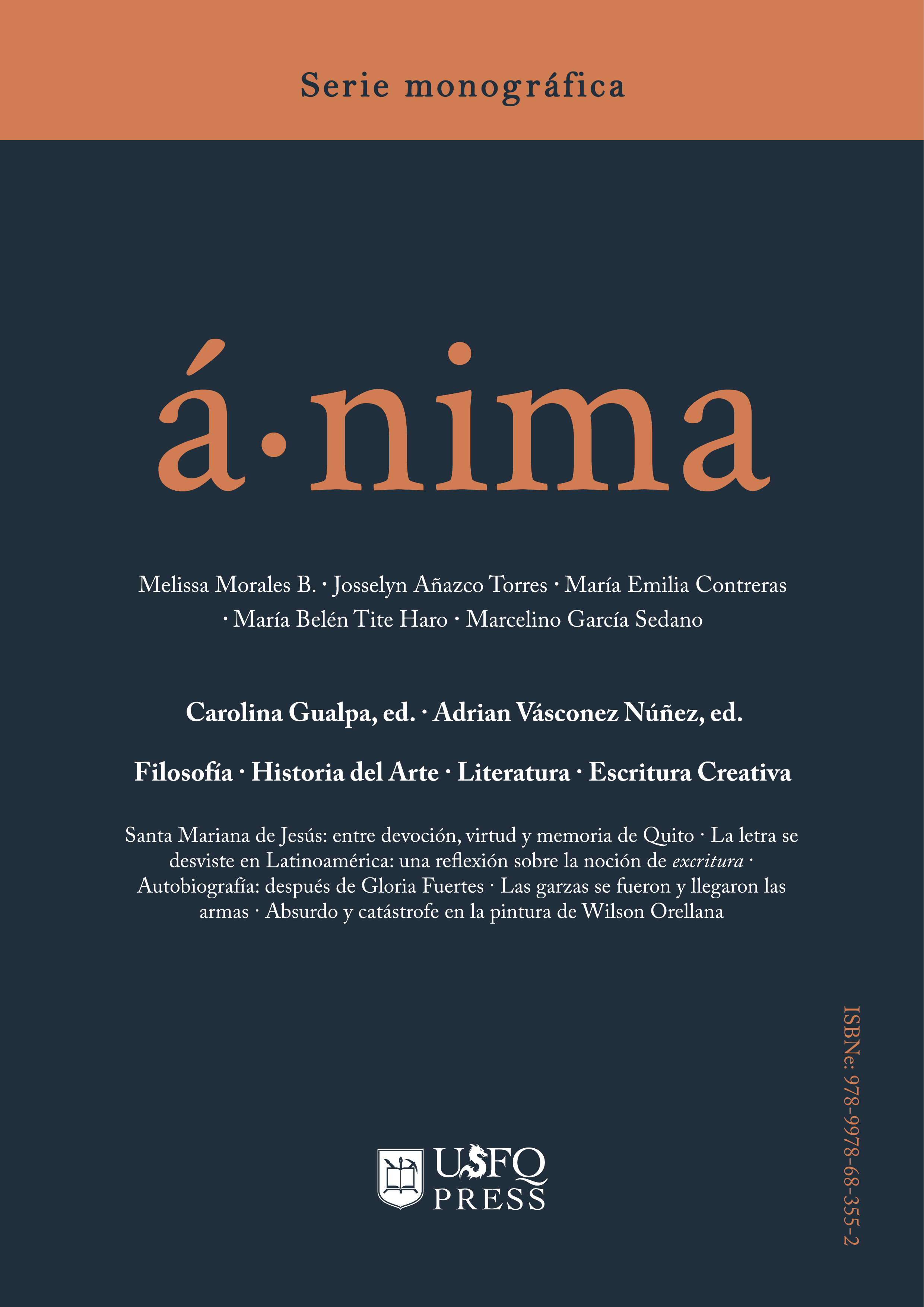
Vol. 6 (2026)
The texts found in this volume invite us to reflect on our identity as contemporary subjects and how this identity intersects with the places we inhabit: a body, a country, a continent. In Art History, the article “Saint Mariana de Jesús: Between Devotion, Virtue and Quito’s Memory” explores the transformations of the saint’s figure and its adaptation in relation to the discourses on femininity of each era. In Literature, the article “The Undressing of the Letter in Latin America: Reflections on the Notion of Exscription” proposes an analysis of the writing practices that distinguish our region. The Creative Writing section features two texts: the poem “Autobiography: After Gloria Fuertes,” which evokes the transformations of the passage from girlhood to womanhood, and the short story “The Herons Left and the Guns Arrived,” which unleashes remembrance as an act of defiance and reclamation. The volume rounds out with the Philosophy article by Marcelino García Sedano, featured in the Contributions from experts section, “Absurdity and Catastrophe in the Painting of Wilson Orellana,” which explores and interprets Orellana’s artistic practice with regard to the contemporary Ecuadorian subject. Pause for a moment to read this series of articles and let them take you by the hand through the crooked writings of our continent and the world, through paintings of Mariana de Jesús and Wilson Orellana, through herons and through the body no one can escape.
-

Vol. 5 (2025)
The exercise of writing invites us to rethink the meaning of humanity, as it emerges as a diagnosis that transcribes the symptoms of the present's decline. Simultaneously, reading bets on materialized knowledge, reproduced through voices committed to restoring the value of the Humanities. This volume weaves together an urgent dialogue, annexes written production from both creativity and academic criticism, and manifests itself as a territory that does not speak, but which we nonetheless manage to hear through our eyes and navigate in deeply affective ways. That's what it's about—feeling the silhouette of language and discerning the meaning of texts, dismembering the muteness of the paragraph. The intrinsic value of writing has evaporated and the volatility of the reading act provokes the immobilization of knowledge; consequently, the fields covered by this journal are forced to recover their space in the contemporary imagination. We allow ourselves to mature the articles, expand the edges of the text, and (re)configure the discourses considered "academic," because we believe in the necessity of producing and questioning in times of crisis. The volume is a kind of construction from remnants, a patchwork of conceptual and theoretical leitmotifs that lead us to understand the current situation society is going through. It is the act of rewinding written language and braiding a discourse that oscillates between creative impulse and analytical work.
-
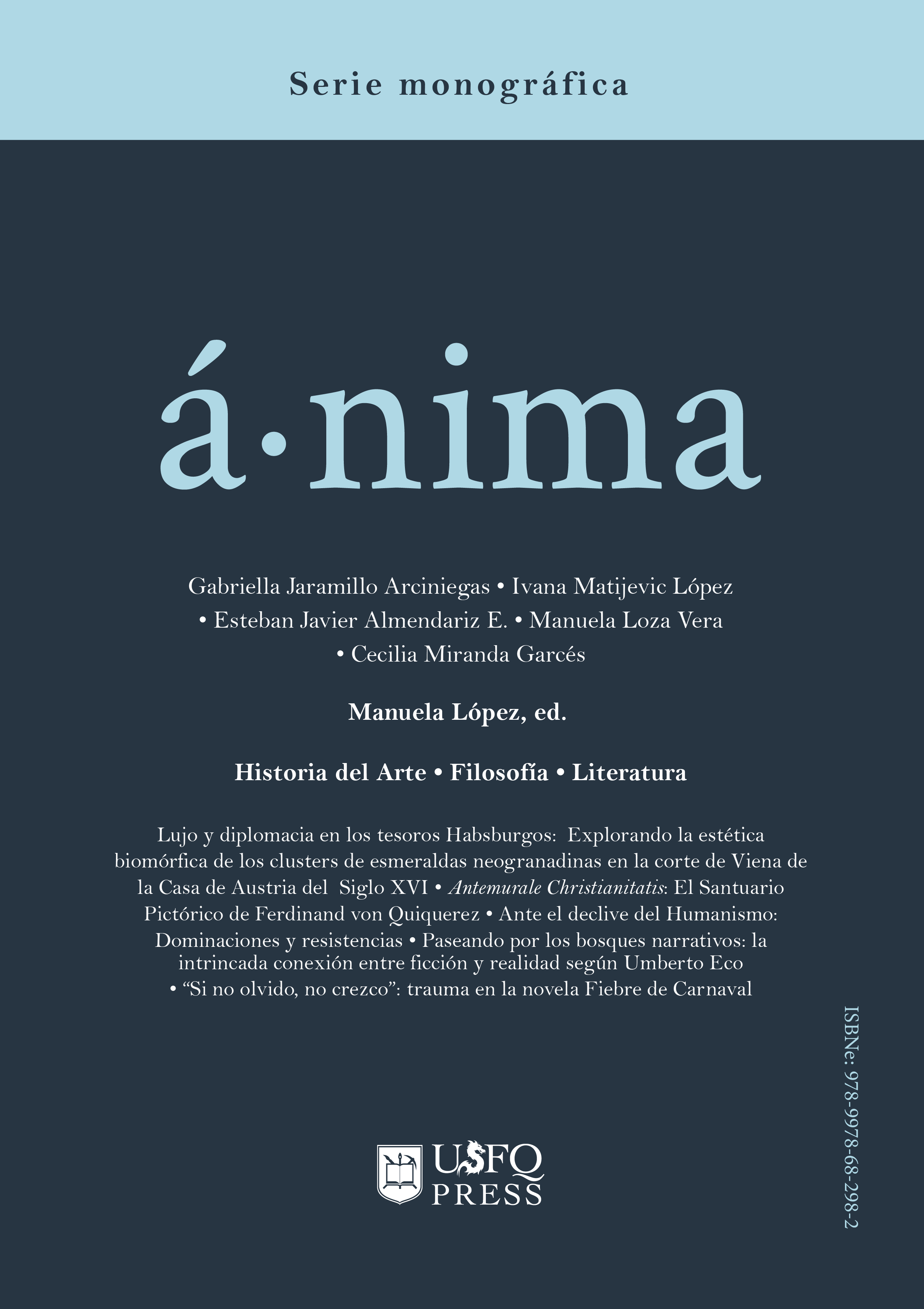
Vol. 4 (2024)
The dialogue established between texts, images, and the experiences we have as students, along with our perhaps stubborn, inquisitive, and curious criteria, emerges when drafting an academic article. This is how the endless questions, the desire to argue and find connections, and the analysis of the elements that make up a written work come to light and are presented throughout the fourth volume of Ánima. These are voices that may have wavered initially but were enriched throughout the editorial process, drawing from expert feedback and delving into the very genesis of a thesis that over time became mature and took shape, condensing into a text full of depth and nuance.
Regarding this assertion, it is imperative to remember that this space was conceived with the aim of opening up discussion on the Humanities, specifically related to Literature, Art History, and Philosophy. This objective becomes tangible when exploring the narrative voice of Humberto Eco concerning the value of narrative texts and everyday life, as well as the meaning of incest and how it is treated through various literary figures and interacts with the psychology of trauma in the text "La Fiebre del Carnaval." Additionally, there is the analysis of the artwork "Antemurale Christianitatis" and how it serves as a symbolic element within the struggle between Europe and the Ottoman Empire. Furthermore, the production and reception of the New Granada clusters among various courts during the sixteenth century and their relationship with the aesthetics of those times are explored in relative terms. Finally, Philosophy is addressed from Sloterdijk's perspective regarding Humanism and its relevance in a globalized and hyperconnected world.
-
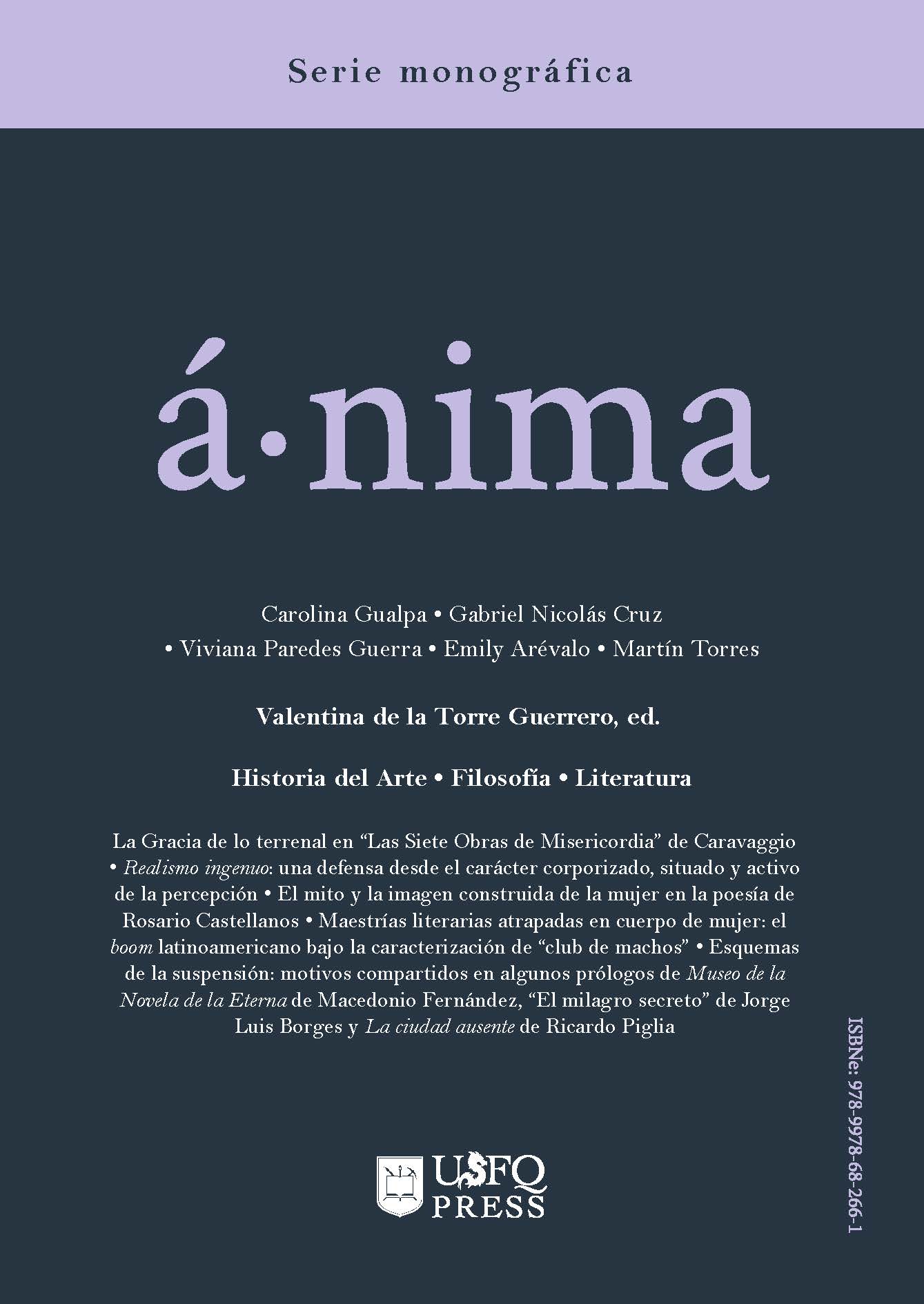
Vol. 3 (2023)
En la sección de Historia del Arte, un artículo examina «Las Siete Obras de Misericordia» de Caravaggio y la aprecia bajo un nuevo lente, pues resalta su uso de tanto el naturalismo como el misticismo para apelar al anhelo de obtener la salvación eterna de la sociedad napolitana. Por otro lado, en Filosofía, el autor plantea al realismo ingenuo como una perspectiva superior a la creencia de que puede obtenerse cualquier conocimiento absoluto de esencias a través de la percepción humana. En Literatura, uno de los textos explora la construcción de la feminidad de Rosario Castellanos y propone una alternativa a la mujer históricamente miti!cada en la literatura. El otro se centra en la exclusión de la mujer dentro del Boom Latinoamericano y hace un cuestionamiento de este a través del estudio de obras seleccionadas de Albalucía Ángel, Clarice Lispector y Elena Garro. Finalmente, en Aportes de Expertos, se traza una genealogía de la literatura argentina del siglo XX, a partir del análisis de obras de Macedonio Fernández, José Luis Borges y Ricardo Piglia.
Para terminar, solo queda invitar al lector a que haga suyos los artículos aquí recogidos. Que los lea con una taza de té, los piense mirando por la ventana del bus, los cuestione, los refute y se quede aquello que le sea útil de cada uno, formulando sus propias respuestas. Solo así las Humanidades podrán continuar su expansión y enriquecimiento.
-
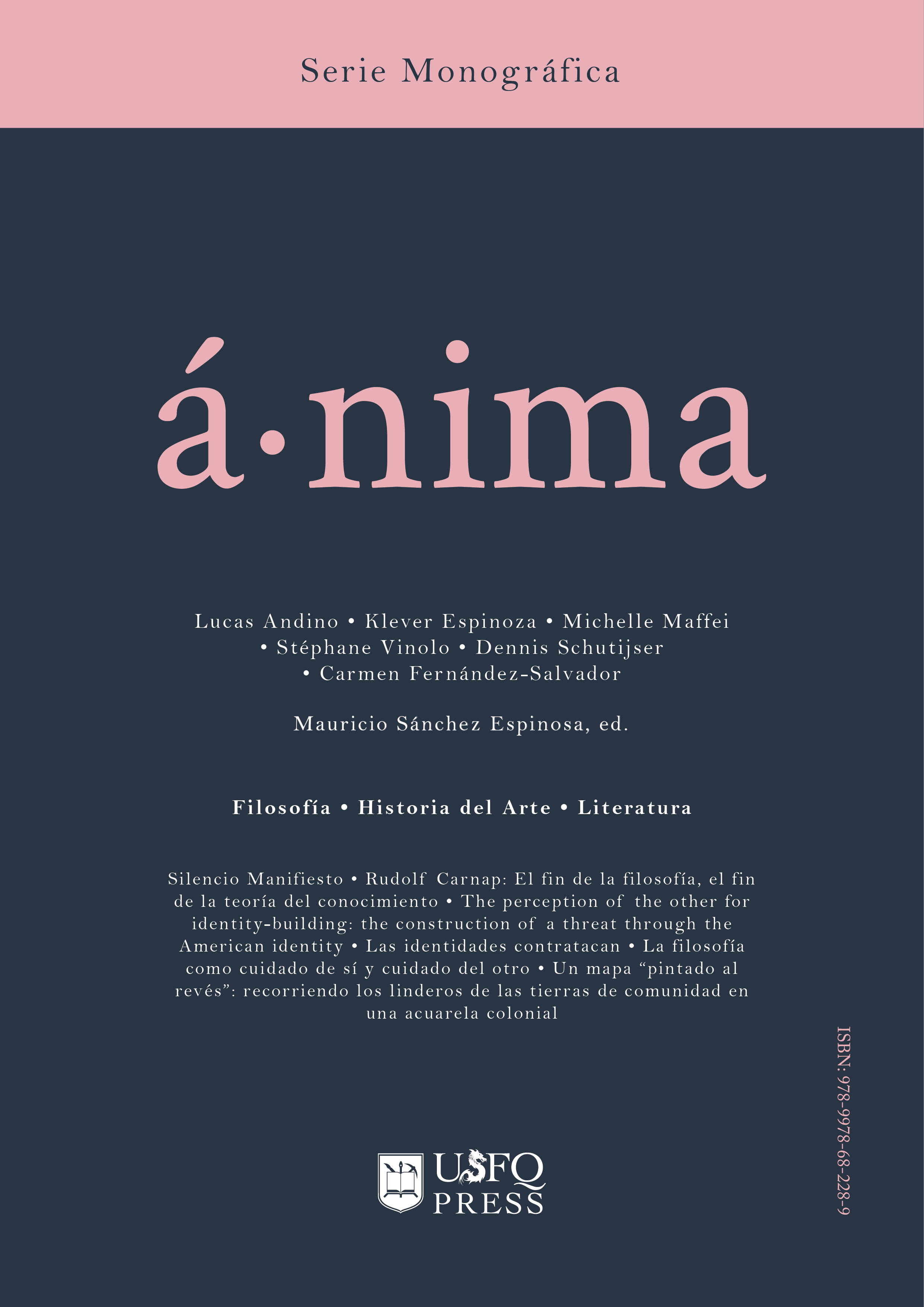
Vol. 2 (2022)
Este volumen presenta una suerte de diálogo entre los textos de las dos secciones mencionadas. Un diálogo entre el problema del lenguaje y sus límites analizado desde dos corrientes completamente distintas y complementarias a la vez; así pues, el lector encontrará un interesante análisis sobre el lenguaje y la ontología apoyado en las ideas de Martin Heidegger y su contrapropuesta, al lenguaje, la lógica y el análisis formal de los postulados metafísicos. Un segundo diálogo se da con el estudio y la problematización de la construcción de la identidad y la fragilidad de la misma, sumándose al debate del cuidado tanto del otro como de sí mismo. Este volumen cierra con un interesante estudio sobre la cartografía legal en la época colonial del actual Ecuador a partir de acuarelas del siglo XVII, en las cuales se representa el territorio en disputa.
-
Vol. 1 (2021)
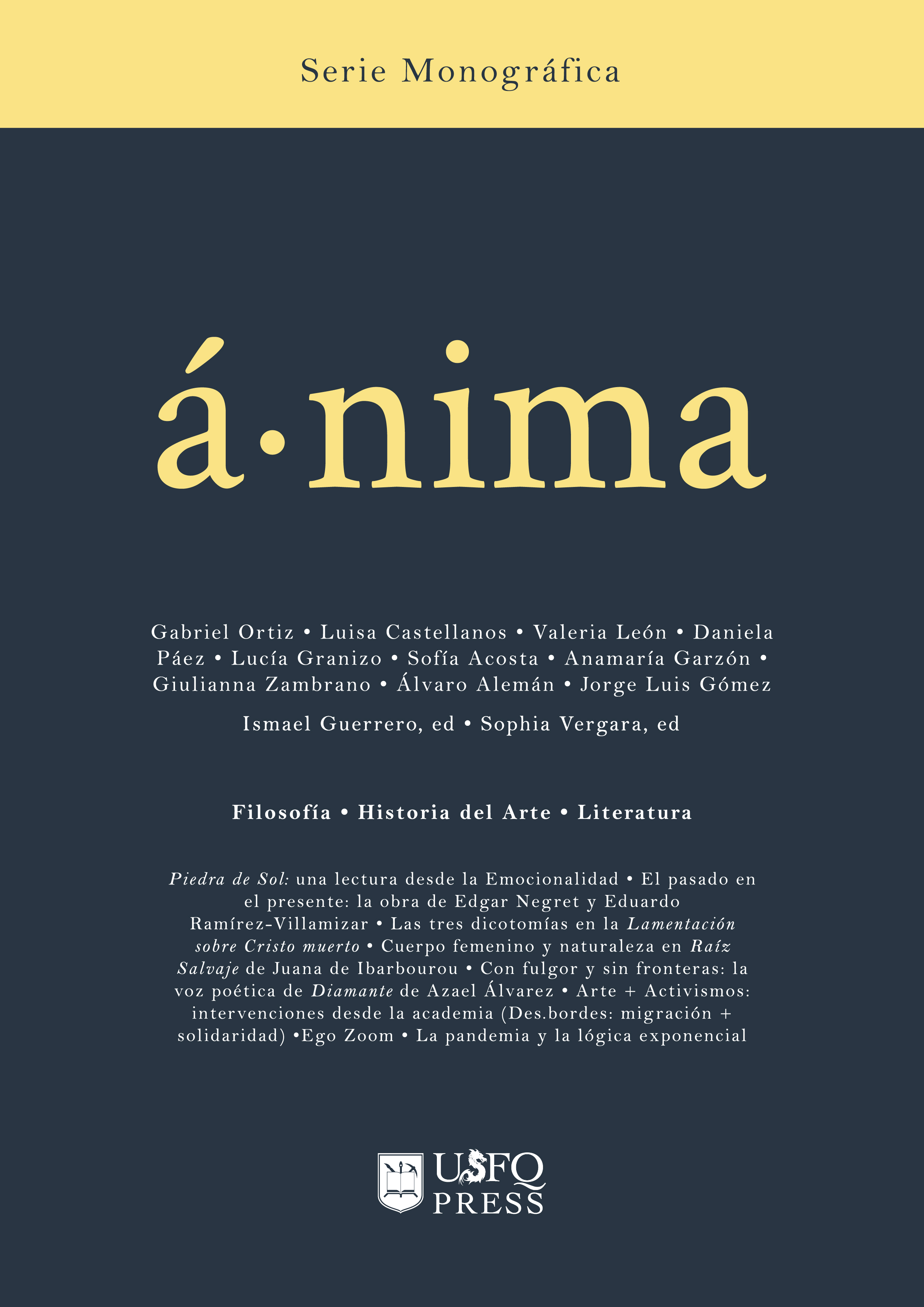
El primer volumen de Ánima discute cómo la poesía puede ser un espacio de transgresión, donde se abordan temas como el género y la feminidad; cómo podemos entender los textos líricos a partir de la filosofía de las emociones y qué nos dicen estas lecturas de la realidad existencial humana; de qué manera el arte recoge las preocupaciones de su época como la identidad expresada en la obra de escultores latinoamericanos, o las discusiones sobre lo divino y lo terreno, lo bello y lo doloroso, el pasado y el presente; cuál es la relación entre arte, academia y activismo; cómo la filosofía nos ayuda a entender la pandemia; y cómo se vincula el uso de la plataforma Zoom con una nueva sensibilidad comunicativa.