
Editor in Chief1
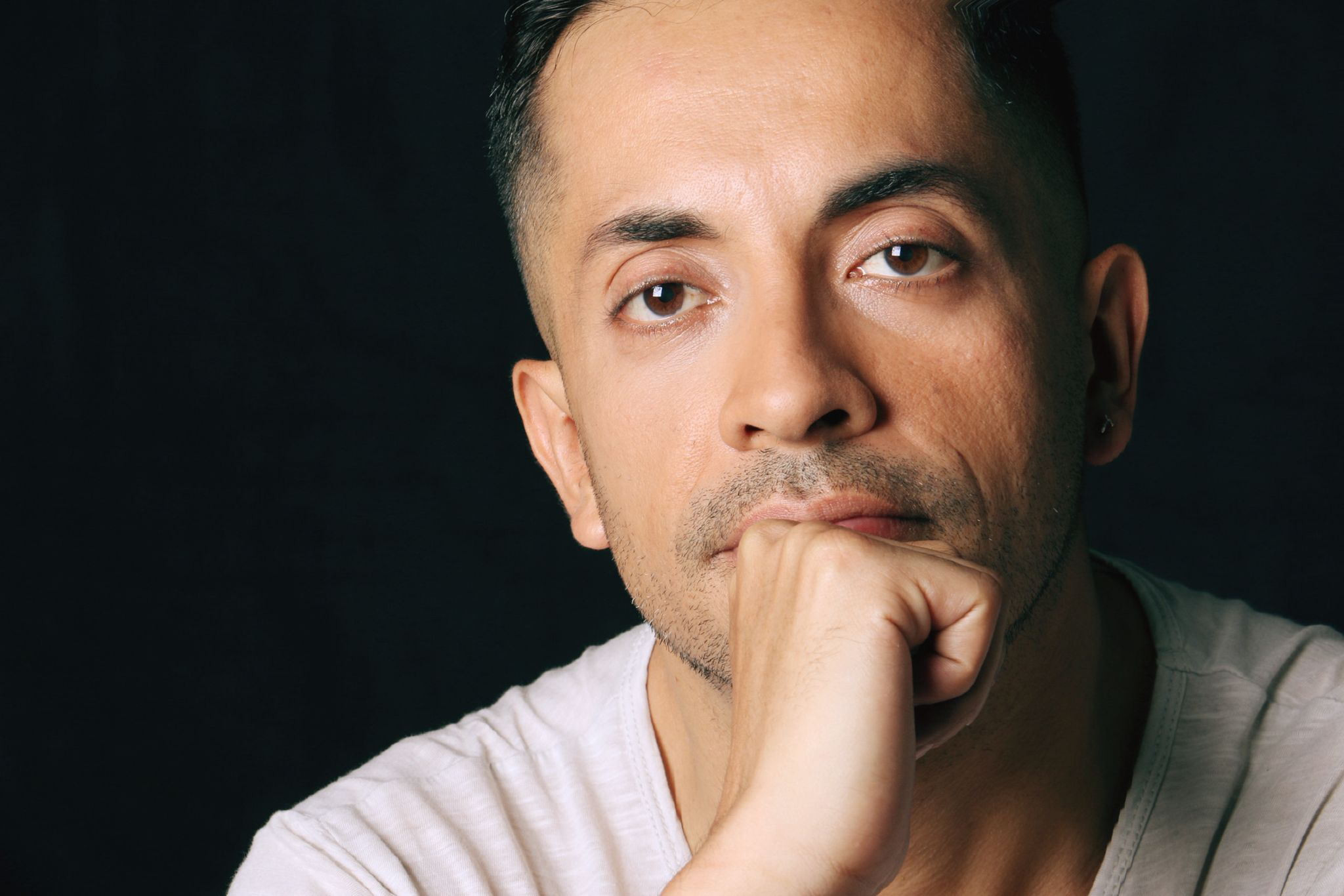
Diego Falconí, Universidad San Francisco de Quito, Ecuador, dfalconi@asig.com.ec,  , 0000-0002-4423-6563
Editorial Coordinator2
Efraín Caravantes
Editorial Board3
Johanna Fröhlich, Ludovika University for Public Service, Hungary, , 0000-0002-7213-3246
Álvaro Paúl, Pontifica Universidad Católica de Chile, Chile, , 0000-0003-3882-450X
José Gustavo Prieto, Ghent University, Belgium, , 0000-0002-1664-4017
Marena Briones, Universidad Católica Santiago de Guayaquil, Ecuador, , 0000-0001-9857-8019
Andrés Felipe López Latorre, Universidad de la Sabana, Colombia, , 0000-0001-8022-5338
Eddy de la Guerra, Universidad Andina Simón Bolívar, Ecuador, , 0000-0001-5733-179X
Nidia Morín, Universidad Autónoma de Tamaulipas, México, , 0000-0002-2085-0040
Manuel de Jesús Jiménez, Universidad Nacional Autónoma de México, México, , 0000-0003-2061-6905
Andrés Martínez-Moscoso, Universidad San Francisco de Quito, Ecuador, , 0000-0002-8952-0680
Camilo Arancibia Hurtado, Universidad de Valparaíso, Chile, , 0000-0001-7484-3068
María del Pilar García Pachón, Universidad Externado de Colombia, Colombia, , 0000-0001-6824-8780
Scientific Committee4
Jakab András, Universidad de Salzburgo, Austria, , 0000-0001-5798-7043
Larry Catá Backer, Penn State LAW SS, Estados Unidos, , 0000-0002-7492-4527
Catalina Botero, Universidad de los Andes, Colombia, , 0000-0001-9417-1676
Paolo Carozza, University of Notre Dame, United States of America.
Fabián Corral Burbano de Lara, Academia Ecuatoriana de la Lengua, Ecuador.
Ester Torrelles, Universidad de Salamanca, Spain, , 0000-0001-9239-5326
Peter L. H. Van den Bossche, Universidad de Maastricht, Belgium.
Virginia Zambrano, Universidad de Salerno, Italy, , 0000-0001-6836-6357
Jorge Luis Roggero, Universidad de Buenos Aires, Argentina, , 0000-0003-4060-6958
Noelia Igareda, Universidad Autónoma de Barcelona, España, , 0000-0002-3748-0226
Mildred E. Warner, Cornell University, United States of America, , 0000-0002-0109-338X
Editorial Assistants5
María Paula Yánez Ramírez, Valeria Nicole Cerda Gálvez, Ximena Stefanía Cañar Molina, Amelia Molina Cadena, Matias Adrian Guaita Noroña, Carlos Mateo Palacio Bailón, Pablo Alejandro Tamayo Freire, Roger Steven Encalada Ramos, Camila Salome Egüez Chalacan, Miguel Andrés Barahona Ordóñez, Paula Alejandra Sevilla Bermeo, Anahí Salomé Sagal Nono
1 The Editor-in-Chief is the main editorial position of the journal. He/she is a member of the Editorial Board and the person who guides and assumes general responsibility for the scientific quality of the journal. He directs the Editorial Board and the Editorial Team. The Editor-in-Chief supervises the process of reviewing, editing, and publishing an article. THE Editor-in-Chief evaluates the development of the content. makes strategic decisions, represent the magazine institutionally, has the global editorial vision and sets the guidelines for the editorial line, ensures the quality of the content and editorial excellence, directs the activities of the bodies of the magazine and approves the final version of each issue.
2 The Editorial Coordinator is the person in charge of the communication between authors, reviewers, and readers. Is also in charge of everything related to the technical management within the OJS platform. The Editorial Coordinator supervises and coordinates all activities related to the production of the journal, from the reception of manuscripts to the final publication, but does not make publication or content decisions of the articles, reviews, interviews and translations of the journal.
3 The Editorial Committee is an organization formed by a distinct group of academics in the field of Law which makes key decisions in order to maintain the magazine’s guidelines, following the policies of the publication and of the USFQ College of Jurisprudence. It is also a group that promotes the diffusion of the magazine within its field and procures people with whom to potentially collaborate on evaluations, interviews, coordinating dossiers, etc.
4 The Scientific Committee is an organization formed by a group of renowned jurists with a well-recognized trajectory which endorses the work and gravity of the magazine. Their role is to guarantee the quality and solvency of the entire publication.
5 The editorial assistants are students at the USFQ College of Jurisprudence who, in addition to learning editorial tasks, collaborate on tasks according to their level of formation (creating databases, planning events, read texts, among others). They are a part of the training project to increase future research at Iuris Dictio.