Artículos
Design, Analysis and Comparison of Hybrid and NonPneumatic Tyres
Diseño, análisis y comparación de neumáticos híbridos y no neumáticos

Design, Analysis and Comparison of Hybrid and NonPneumatic Tyres
Avances en Ciencias e Ingenierías, vol. 18, núm. 1, pp. 1-16, 2026
Universidad San Francisco de Quito

Esta obra está bajo una Licencia Creative Commons Atribución 4.0 Internacional.
Recepción: 11 Junio 2025
Aprobación: 26 Septiembre 2025
Publicación: 19 Diciembre 2025
Abstract: Non-Pneumatic Tires (NPTs), or airless tires, are load-bearing tires that do not require air pressure, for that purpose they employ flexible spokes made of thermoplastic Polyurethane. These NPTs are characterized by elastic spokes, durability, and resistance to wear, which makes them quite preferable for military, defense, industrial, and space vehicle applications. However, they are limited in their ability to absorb shocks and provide comfort, thus limiting their application in civilian vehicles. Hybrid tires provide a solution that unites the merits of NPTs and conventional pneumatic tires. They consist of flexible spokes together with pressurized air, thus giving them the properties of both. NPTs’ durability and the comfort of a conventional tire. This study is highly focused and presents a comparison of NPTs and hybrid tires. A Finite Element Analysis (FEA) of both models indicates that with respect to strength and durability, hybrid tires fare very well for civilian vehicles, though their strength may be slightly less than that of NPTs.
Keywords: Structural Analysis, Non-Pneumatic Tires, Spokes, Finite Element Analysis, Hybrid Tire.
Resumen: Neumáticos no neumáticos, o neumáticos sin aire, son neumáticos portadores de carga que no requieren presión de aire; para ese propósito emplean radios flexibles de poliuretano termoplástico. Estos NPTs se caracterizan por sus radios elásticos, durabilidad y resistencia al desgaste, lo que los hace bastante preferibles en aplicaciones militares, de defensa, industriales y de vehículos espaciales. Sin embargo, presentan limitaciones en su capacidad de absorber impactos y proporcionar confort, lo que restringe su aplicación en vehículos civiles. Los neumáticos híbridos ofrecen una solución que combina los méritos de los NPTs y de los neumáticos neumáticos convencionales. Están compuestos por radios flexibles junto con aire presurizado, lo que les otorga propiedades de ambos lados: la durabilidad de los NPTs y la comodidad de un neumático convencional. Este estudio está altamente enfocado y presenta una comparación entre los NPTs y los neumáticos híbridos. El análisis por elementos finitos (FEA) de ambos modelos indica que, con respecto a la resistencia y durabilidad, los neumáticos híbridos funcionan muy bien para vehículos civiles, aunque su resistencia pueda ser ligeramente menor que la de los NPTs.
Palabras clave: Análisis estructural, neumáticos no neumáticos, radios, análisis por elementos finitos, neumático híbrido.
INTRODUCTION
Tires are fundamental to transportation systems because they enable effective vehicle operation by rolling with drastically reduced friction and energy loss compared to sliding or other forms of locomotion. This efficiency improves fuel economy and safety by giving crucial traction, load carrying capacity and vibration dampening. The pneumatic tire, patented by John Boyd Dunlop in 1888 has set the standard for suspension system design due to its relative light weight and excellent shock absorption and low rolling resistance characteristics that promote ride comfort and energy efficiency [1]. However, pneumatic tires are prone to punctures, blowouts, and pressure loss under heavy or prolonged use, making them unreliable for critical applications such as military operations, space exploration, and industrial environments where durability and minimal downtime are important [2]. These limitations have spurred the development of alternative tire designs that prioritize reliability without sacrificing functionality.
Airless tires, also known as Non-Pneumatic Tires (NPTs), developed in the 1920s as a response to limitations of the pneumatic tires. NPTs eradicate dependence on air that encourage hazards such as puncture, bursting, wear, tear and pressure variability. Contemporary NPTs, like the Michelin Uptis, are common in industry, military and aerospace. Fig. 1 illustrates that NPTs consist of four primary components; a rigid aluminum alloy hub for structural integrity, flexible polyurethane spokes for load distribution and deformation absorption, a shear band for efficient force transfer and shape retention, and a durable tread made of styrene-butadiene rubber (SBR) for enhanced grip and wear resistance. Recent advancements, such as cellular structures in the shear band, have improved flexibility and energy damping [3, 4]. While NPTs excel in low-maintenance and high-durability applications, their high production costs, limited shock absorption, and reduced ride comfort make them less suitable for civilian vehicles [5].
To address these shortcomings, hybrid tires have been developed, combining the durability of NPTs with the comfort of pneumatic tires. Introduced by Kumho Tyre Co. in 2020, hybrid designs like the E-Tops, which received the International Design Excellence Award, integrate a pressurized air-filled core for enhanced shock absorption and ride quality with a non-pneumatic framework of polyurethane spokes, a flexible shear band, and a replaceable tread made from SBR or polybutadiene rubber. Fig. 2 shows the schematic structural diagram. Elastic membranes shield internal components retaining tire shape and performance, while a hub (or rim) of aluminum alloy provides structural support. By minimizing the amount of material needed for replacement and maximizing the life of the tire, the sustainability benefits offered by the replaceable tread is a step toward making hybrid tires a viable option for domestic transport and embracing their low-maintenance, environmentally-friendly potential [6].
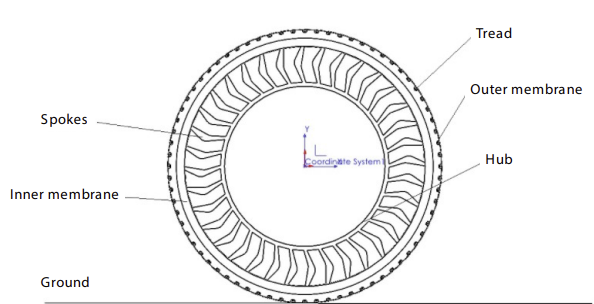
FIGURE 1
Schematic representation of a non-pneumatic Tire.
FIGURE 1. Schematic representation of a non-pneumatic Tire.
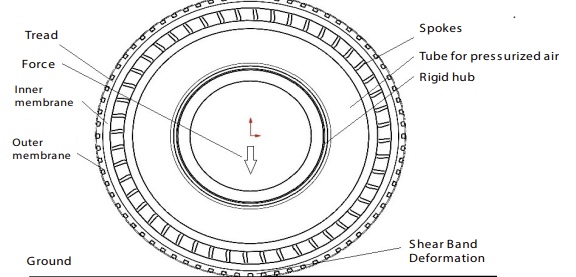
FIGURE 2
Schematic representation of Hybrid Tire
FIGURE 2. Schematic representation of Hybrid Tire
Although tire development has made major strides, gaps in research still exist. The design, mechanical properties and applications of NPTs have been investigated via a Finite Element Analysis (FEA) [2,3,7], however, limited research has been conducted on hybrid tires, particularly that focused on performance comparisons with NPTs under standardized loading conditions. While literature confirms the durability of NPTs, they suffer from major drawbacks including high heat production and excessive weight and/ or low comfort for civilian vehicles with limited exploration of hybrid configurations to mitigate these issues [5,8]. Additionally, despite the various applications of FEA to tire modeling [9,10,11,12], a significant research gap is identified on comparative structural analysis of NPTs and hybrid tires, and their relative performance for civilian applications. This area is significant as there is an increasing focus on sustainability in the automotive industry as electric and hybrid vehicles have specific tire requirements in terms of performance and comfort.
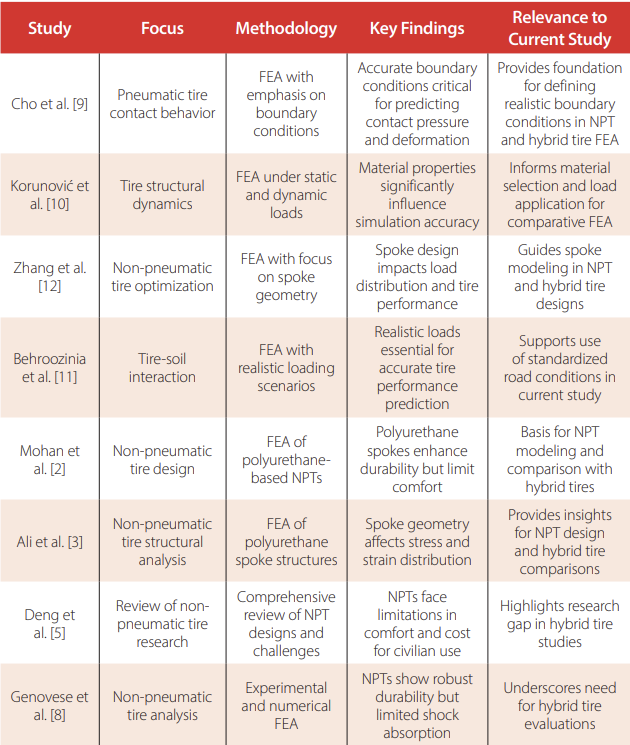
Finite Element Analysis (FEA) has been widely used to study tire performance, providing insights into stress, strain, and deformation under various conditions. Previous studies have explored FEA for both pneumatic and non-pneumatic tires. Relevant literature summarized in Table 1, [9] developed an FEA model to analyze the contact behavior of pneumatic tires, emphasizing the importance of accurate boundary conditions. Similarly, [10] investigated tire structural dynamics under static and dynamic loads, highlighting the role of material properties in simulation accuracy. Focused on optimizing nonpneumatic tire designs using FEA, demonstrating the impact of spoke geometry on load distribution. In a recent study FEA is conducted to evaluate tire-soil interactions, underscoring the need for realistic loading scenarios [11,12]. Current work conducts a comparative FEA of NPTs and hybrid tires, focusing on their structural performance under static conditions. By integrating insights from prior research, we aim to provide a comprehensive evaluation of these tire designs.
TABLE 1: Summary of Key Literature on Tire Modeling Using Finite Element Analysis
The current study fills these gaps by generating consistent 3D FE models of a typical hybrid tire and an equivalent pure NPT and validating the model through published experiments. The significance of this study lies in its potential to advance sustainable transportation. Hybrid tires offer a balanced solution that reduces environmental impact through retreadable treads, lowers rolling resistance for improved fuel efficiency, and minimizes tire-related emissions, aligning with global efforts toward greener mobility. Through comparison FEA of NPTs and hybrid tires under normal static conditions, this work offers practical insights on the structural performance of the two types of tire, demonstrating hybrid tire superiority for civilian application and proposing new research directions in sustainable tire development. This research supports the automotive industry’s move towards sustainable mobility by providing ecologically friendly, low-cost, high-performance tire solutions.
For simplicity and computational efficiency, the following assumptions were made; homogeneous isotropic linearly elastic materials were considered, thermal effects and geometric irregularities were neglected, and only static load conditions were analyzed, omitting dynamic factors like inertia and damping. These assumptions align with standard practices in preliminary tire FEA studies [9,12]. In current FEA model studies, the spokes and the shear band have been modeled with a linear-elastic polyurethane material, and the rim with aluminum (linear-elastic, high-stiffness). This is in accordance with the literature i.e. [8,13] presented the spokes and shear band of a Michelin Tweel as linear-elastic PU with E = 62 Mpa and ν = 0.48. This simplification, they indicated, only causes a limited amount of error but saves a lot of computation time. This is done similarly in the present research, with a PU modulus and Poisson ratio. Future research studies helped perfect the destined research on adding dynamic loading and experimental validation in the study to counter the existing limitations. They observed that this simplification involves a limited portion of error but greatly reduces computation time. A similar approach is adopted in the current study, using a PU modulus and Poisson ratio. Further studies should study dynamic loading cases and experimentally validate them to counter the limitations of the current research.
MATERIALS AND METHODS
The Finite Element Analysis (FEA) in this study was conducted using Ansys Workbench following established methodologies for tire modeling [2,9,12]. CAD models (shown in Fig. 3) for both types were created using SolidWorks 2024, while market standard dimensions, which are used for nominal civilian vehicles, are considered for the CAD. The selection of key parameters, including material properties, boundary conditions, and meshing strategies, was guided by their prevalence in prior literature and their suitability for simulating realistic tire behavior. The properties of Polyurethane were chosen for the [2] as the primary material for spokes in both NPT and hybrid tire models due to its widespread use in NPT designs, offering a balance of flexibility and durability [2,3]. For the hybrid tire, the rim material was 6061 Aluminum Alloy, a which is common material in tire hubs for its high strength-to-weight ratio. The aluminum rim is orders of magnitude stiffer and deforms negligibly under the applied loads, so a linear-elastic model is appropriate (and its hub is kinematically constrained to mimic a rigid wheel, as in [8,10].
In current research FEA models, the spokes and shear band are assigned a linear-elastic polyurethane material, and the rim is modeled as aluminum (linear-elastic, high stiffness).
This follows consistency with literature [8,13] in which the spokes and shear band of NPT are modeled as linear-elastic PU with E ≈ 62 MPa and ν = 0.48. They noted that this simplification introduces only “a small range of error” while greatly reducing computation time. A similar approach is adopted in the current study, using a PU modulus and Poisson ratio. For simplicity and computational efficiency, the following assumptions were made: homogeneous isotropic linearly elastic materials were considered, thermal effects and geometric irregularities were neglected, and only static load conditions were analyzed, omitting dynamic factors like inertia and damping. These assumptions align with standard practices in preliminary tire FEA studies [9,12] but will be refined in future work to include dynamic loading and experimental validation to address current limitations. The material properties are shown in Table 2.
TABLE 2. Material Properties
| Material | Material Model | Elastic Modulus E (MPa) | Poisson’s Ratio |
| Polyurethane | Linear Elastic | 62 | 0.48 |
| 6061 Aluminum Alloy | Linear Elastic | 69 x 103 | 0.33 |
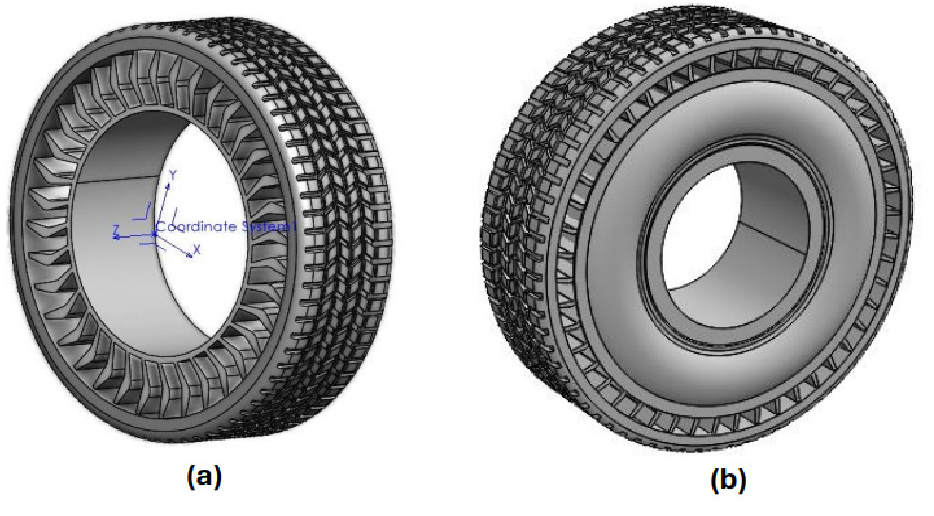
FIGURE 3
(a) CAD Model of Non-Pneumatic Tire. (b) CAD Model Hybrid Tire
FIGURE 3. (a) CAD Model of Non-Pneumatic Tire. (b) CAD Model Hybrid Tire
Boundary conditions were selected to match realistic scenarios. The bearing load of 5000 N was applied to simulate the average load on a vehicle rim, aligning with realistic scenarios described in [9]. Gravity loads were included to account for weight distribution, and isotropic material assumptions were made to simplify the analysis, following standard practices in preliminary tire FEA studies [2]. These values align with experimental benchmarks [14] and [15] report results at 3–5 kN vertical loads, in line with our models. We thus chose 5000 N to cover a realistic passenger-vehicle wheel load (i.e. ~ 4–5 kN per wheel for a 2000 kg car). The air pressure in the hybrid tire’s inner core (172,369 N/m² or 25 psi) was selected to represent typical passenger vehicle conditions, consistent with the standards outlined. These choices ensure that simulations are both computationally feasible and representative of real-world tire performance, providing a reliable basis for comparing NPTs and hybrid tires. Fixtures were applied to the plane below the tire and the bottom portion of the tire. The loading conditions were carefully selected to represent realistic scenarios for the system under study. Air Pressure Force: In the pneumatic part, the pressurized air is induced with a pressure of 172,369 N/m² (25 psi), applied both inward on the rim and outward on the spoke region. A load of 5000 N was applied vertically downward on the lower face of the rim, representing the average loading on a vehicle rim. Gravity effects were consistently applied across the model to simulate the weight distribution of the tire. The rim and the pneumatic part materials in the hybrid tire design were interacted together by adding an interaction feature which helps to explain the behavior of the tire according to the interactions between different materials used in the system i.e. 6061 Al Alloy, Air and Polyurethane.
Meshing was conducted in Ansys Workbench using tetrahedral elements, which offer 3 degrees of freedom. The FEA utilized Jacobian 16-point tetrahedral elements, ensuring meticulous meshing minimizing computational cost, as recommended by [12] for complex tire geometries. Mesh details are provided in Table 3 and 4. Mesh convergence studies ensured that results are mesh independent. Mesh is refined until peak von Mises stresses and displacements change by <3%, as is standard practice. In all cases, the load–deflection curves and stress patterns remained consistent. These verifications give confidence that our discretization and material assumptions are sound.
TABLE 3. Mesh Details (Hybrid Tire)
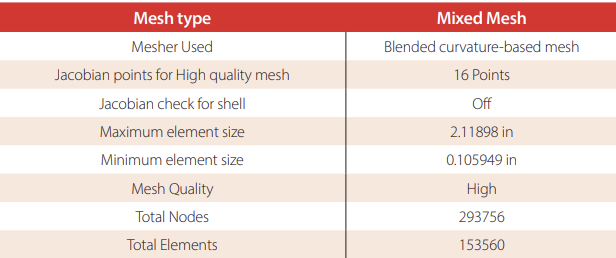
TABLE 4: Mesh Details of NPT
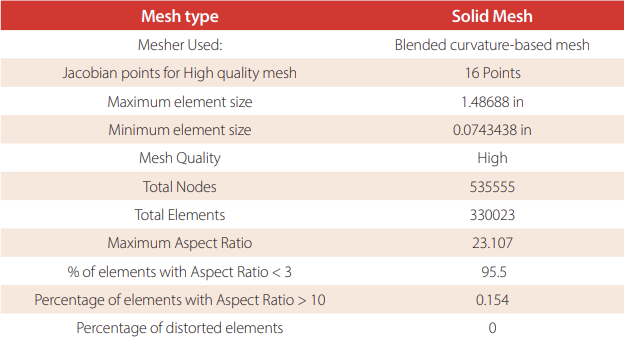
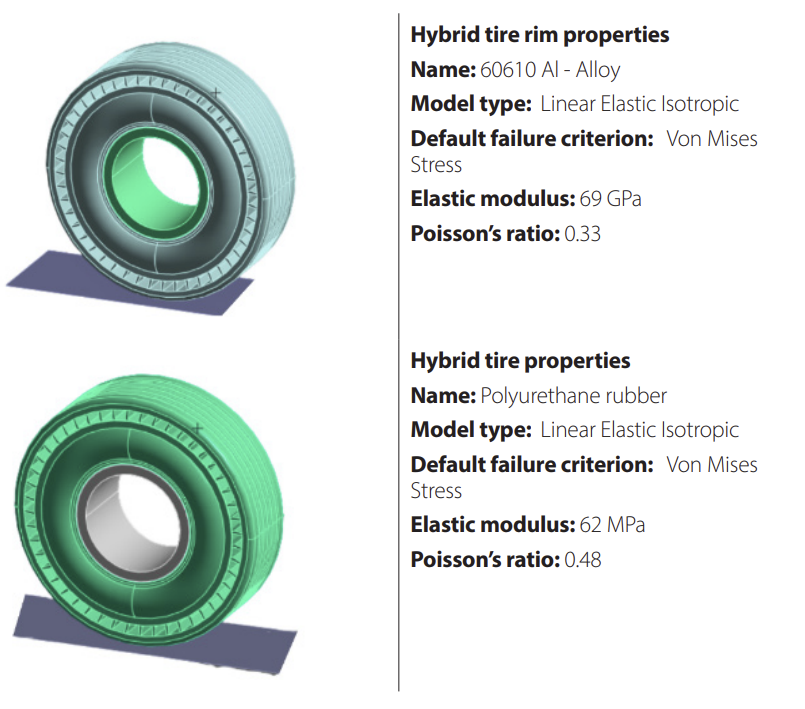
Table 5 illustrates the geometry of NPT to polyurethane (PU). Following the previous research work on design and analysis of NPTs, the material applied on the spokes is Polyurethane [2]. For simplification and to reduce the computational cost, in the current case the total geometry of NPT is composed of PU only. Table 6 illustrates the material applied on the rim is 6061 Aluminum Alloy. And the material for the remaining bodies i.e. side walls of the pneumatic part, Spokes, and outer rubber is Polyurethane.
TABLE 5. Material Properties NPT
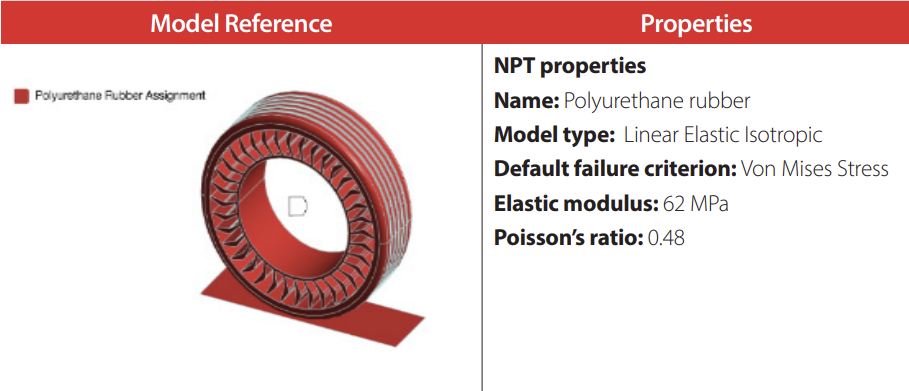
TABLE 6. Material properties of hybrid tire
For FEA, We follow established validation metrics (i.e. maximum Von Mises stress, maximum strain, deformation, and radial stiffness) as recommended in reviews [5,16]. Radial stiffness was calculated for each tire model by equation 1.
Radial stiffness
Where F is the load applied in N, and is the total deformation in mm.
For validation, results are compared with [8,14,15,17] and the hybrid ring model of [18]. By doing so, this study quantifies how the inclusion of an air core (in the hybrid) alters compliance, stress, and safety factors under static loading, thereby filling a key knowledge gap in tire design research.
RESULTS
The key aspects for the performance of a tire i.e. stress, strain and deformation are evaluated and analyzed for both models. In the hybrid, the maximum stress is produced at the spokes’ edges (which are connected with the pneumatic part) and also at the pneumatic part edges which are connected to the rim. In the hybrid, the maximum stress produced 1.2008 x10⁷ N/m2 (or Pa). In the NPT, the maximum stress produced at the spoke’s edges is 0.16243x 10⁷ N/m2 (or Pa). In both models the stress produced is significantly less than the yield point. The Von Mises stress results are shown on Fig. 4. The stress in the hybrid tire exceeds than that of NPT, which is due to the air pressure in the pneumatic part of the hybrid tire.
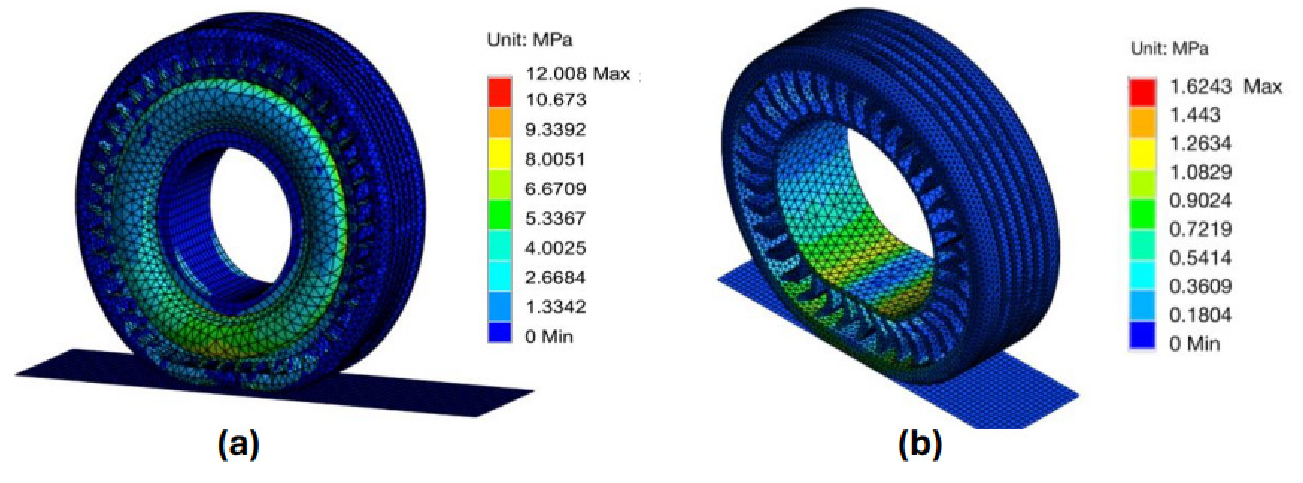
FIGURE 4
Von Mises stress in models (a) Hybrid tire (b) NPT
FIGURE 4. Von Mises stress in models (a) Hybrid tire (b) NPT
In the hybrid tire, the maximum strain is located at the walls of the pneumatic part and at the edges of the bottom spokes, which is 0.4816. The equivalent strain results are shown in Fig. 5. In the NPT model, the maximum strain has a value of 0.026314. which is observed at the bottom edges of the spokes (edges which relate to the tread surface). However, the strain in the hybrid model is higher than the strain in the NPT due to the pneumatic part.
Deformation analysis further emphasized the structural robustness of the hybrid model in comparison to the PT. In contrast to conventional designs, which show more high deformation under 5kN load, the hybrid experienced maximum deformation under applied loads and the value is greater than that of the NPT. This is because the NPT contains more spokes material due to which it is stiffer than the hybrid. That is why the deformation in the NPT will be less than the deformation in the hybrid tire for the same loading scenario. The maximum deformation contour plots are shown in Fig. 6. in which the maximum deformation for hybrid is 17.753 mm but for the NPT it is 14.947 mm.
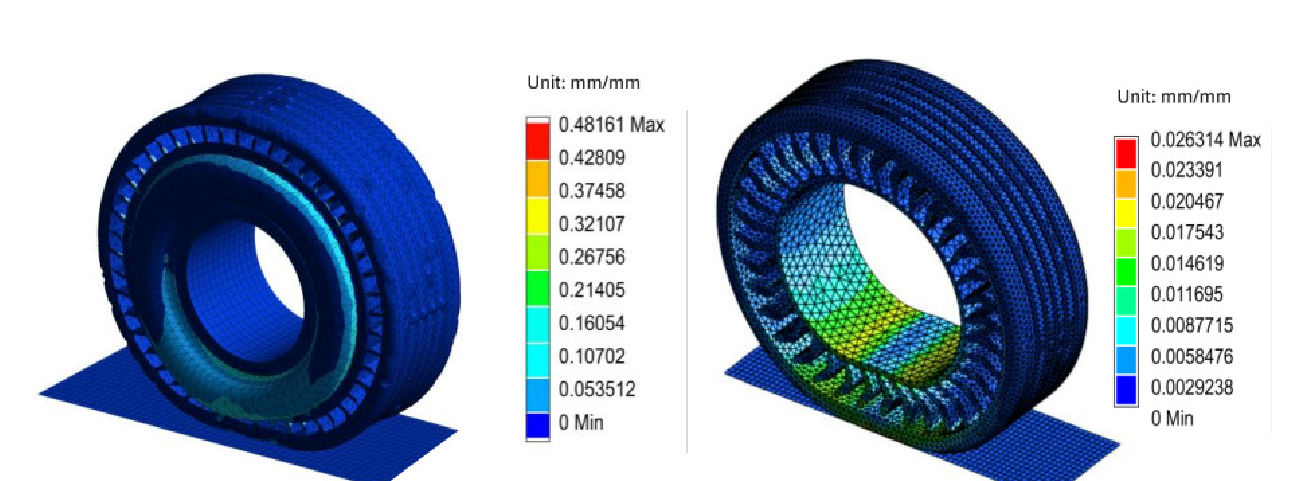
FIGURE 5
Equivalent strain in models (a) Hybrid tyre (b) NPT
FIGURE 5. Equivalent strain in models (a) Hybrid tyre (b) NPT
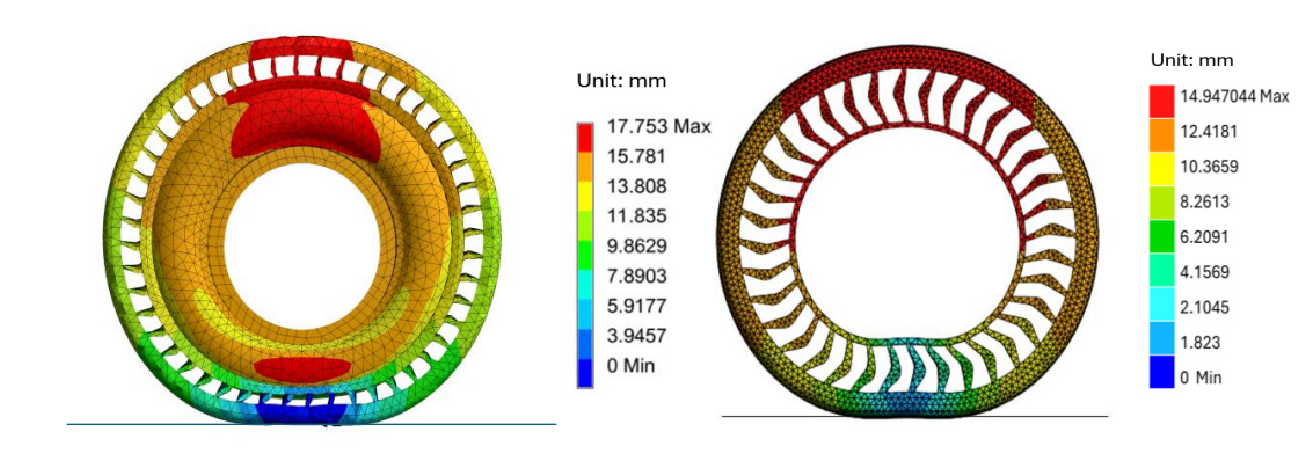
FIGURE 6
Total deformation in models (a) Hybrid tyre (b) NPT
FIGURE 6. Total deformation in models (a) Hybrid tyre (b) NPT
DISCUSSION
Simulations provide valuable insights by modeling complex behaviors efficiently, but they rely on assumptions (e.g., homogeneous isotropic materials, neglect of thermal effects, static loads only) that may not capture nonlinearities, material variabilities, or dynamic interactions fully. To bridge this gap, benchmarking (comparing) simulation outputs to data from other studies with experimental validation is a practical approach. This method is common in tire engineering literature, where FEA outputs are tuned and verified against physical tests and relevant literature. This demonstrates that our model aligns with established benchmarks, building confidence in the results.
We selected six metrics directly related to our FEA results, and commonly reported in the literature: radial stiffness (N/mm), deflection (displacement at a specified kN load), stress (MPa), and strain, summarized in Table 7. Such a decision is consistent with the practice in the field and the recommendations on the testing and reporting of the NPT [5]. Findings were validated against experimental data sets published in studies by [8,14,15,19]. Moreover, we also considered a spoke-architecture validation precedence [20]. The literature provided the lateral and multi-axis stiffness to conceptualize the limits of the static, vertical load FEA [21].
Stress and Strain Comparison: Maximum stress and strain in both models, can be benchmarked against [8], who validated an FEA model of the Michelin X-Tweel NPT against experiments. The study reported good agreement in stress distribution with experimental results for the NPT. This suggests stress values are plausible, as they fall within ranges for polyurethane-based spokes under similar loads.
Deformation: Deformations align within the range estimated from the graphs (radial stiffness versus load) for NPTs generated by [22] in their paper. Validation for our NPT model was made with the NPT_1 of [22], while for the validation of deformation produced in the hybrid tire, an estimate of the deformation range between the deformation of NPT_1 and (Pneumatic tire) PT_1 was taken as a benchmark because the hybrid tire contains both characteristics of the PT and the NPT. Experimental results from only NPT_1 and PT_1 have been considered because their dimensions align with the dimension of current models.
Radial Stiffness: [22] experimentally measured higher radial stiffness in NPTs vs. pneumatic tires, with hysteresis and shorter contact patches, providing a baseline for the validation of the radial stiffness of the current simulations. Our quasi-manometrically determined stiffness in NPTs are compared with the estimation taken from the graphs generated by [22]. We drop into phase also with the experimental-plus-numerical study of [8] for non-pneumatic architectures, in which we can make a like-for-like comparison of vertical compliance. [15] gives tests and FE with static load under a longitudinal pure slip that enables us to compare the displacement at kN loads to assure that our loaddeflection slope lies within bands of the report.
The resulting displacement in the area where the applied forces are located is compared with force-deflection curves in [14]. The fact that there is agreement in slope and magnitude of the displacements under similar loads shows that the material stiffness and boundary assumptions belong to the reasonable range of the static conditions. And any very tiny deviations go into differences in the tread material mix, spoke topology or bonded interface idealizations and standard modelling idealizations reflected in an experimental / numerical cross-study [8,19].
TABLE 7. Validation of Max Stress, Equivalent Strains, Deformation and Radial Stiffness of our designs across literature
| Metric | Hybrid Tire | NPT | Benchmark Study (Validatation) | Agreement Notes |
| Max von Mises Stress (Pa) | 1.2008 x10⁷ | 0.16243 x 10⁷ | 107 - 108 [8] | Qualitative match; errors ~6–10% in similar FEAexperiment comparisons. |
| Equivalent Strain | 0.4816 | 0.026314 | [15] | Good alignment; FEA accuracy <5% for secant values. |
| Deformation (mm) | 17.753 | 14.947 | [22] | Consistent trends; experimental hysteresis higher in NPTs. |
| Radial Stiffness (N/mm) | 281.642 | 334.515 | Radial stiffness versus load graphs generated by [22] | Suggests hybrid may soften stiffness for comfort; validation errors <10%. |
Through comparative analysis, the hybrid tire emerges as a superior choice over the NPT and the PT for civilian vehicles because its strength, durability and radial stiffness is well comparable to that of the NPT and it overcomes NPTs’ inherent limitations while maintaining traditional pneumatic design benefits. The integration of pneumatic components dramatically boosts shock absorption and traction while decreasing weight to deliver enhanced ride comfort without sacrificing durability. Through the implementation of mixed mesh designs, tires achieve uniform stress distribution which enhances performance across different load conditions. The incorporation of sophisticated materials such as polyurethane and rubber alloys enhances the structural durability of hybrid tires, establishing them as a strong and durable alternative to both conventional pneumatic and non-pneumatic tire features.
While NPTs are good at resisting punctures, they can wear out over time, especially in tough conditions, and they are not suitable for the civilian vehicles due low shock absorption ability and poor traction . On the other hand, hybrid tires perform well in traction, handling, braking, and stability, whether you’re on city streets or rough trails, because the hybrid contains a combination of the features from the NPT and the pneumatic tire (PT). In comparison to the PTs, hybrid tires stand out mainly because they last longer, with air-filled chambers and strong spokes, they’re less likely to get damaged and tend to outlast regular pneumatic tires.
NPTs are more costly than the PTs, because NPTs require polyurethane spokes materials which are very costly, while the PTs just contain a vacant core for the air filling and the side walls material of the cores is a composite of styrene butadiene (SBR) materials, which are well known materials for tire manufacturing. The costs of the SBR composites are low relative to the PU material. The hybrid tire is evolving as a middle solution between the NPT and the PT in terms of costs. It makes a good argument for being a wise investment.
The costs would be more than that of traditional PT tires but significantly less than that of the NPTs. Although the hybrid tire also contains PU spokes materials, the size of the spokes is reduced as per the design to integrate the pneumatic feature in it. According to the Kumho Co design [23], the pneumatic core of the hybrid tire covers more than 50% of the tire diameter while the outer region, which consists of the PU spokes, covers less than 50% of the diameter. Thus in general hybrid tires would cost less than NPTs, but in the context of manufacturing costs, the hybrid’s costs might become equal to NPTs.
Limitations and Future Work
Prior work has shown that cornering stiffness and combined loads can significantly affect tire response [24], so our static-only results are valid within the limit of vertical compliance. In practice, behaviors like skid, slip, and shock absorption involve friction, viscoelasticity, and rate effects that our model omits. To address these gaps, future work should extend both testing and modeling. On the experimental side, physical tests under more conditions are needed. We recommend: (i) high-resolution radial compression tests (quasi-static with fine displacement control) to capture full load–deflection curves; (ii) drop/shock tests to quantify energy absorption and rebound behavior; (iii) cyclic fatigue tests to measure durability limits under repeated loading; and (iv) footprint pressure mapping on both rigid and deformable (e.g. soil) surfaces. [8] and [14] suggest that such metrics especially focus on patch shapes and pressure distributions which are important for assessing ride comfort and grip.
The current model is linear-elastic and frictionless but not considered damping at the interface of the bonds; fatigue, thermal and dynamic effects, and end-lateral / combined loads conditions are not included. Contacts are treated frictionlessly, and no thermal or fatigue phenomena are considered. Crucially, only static, vertical loading is simulated – multi-axis conditions (lateral forces, braking/turning) and dynamics (inertia, vibration) are not captured. Incorporating nonlinear hyper-elastic or viscoelastic material models for the PU (as used in more detailed Tweel studies) would improve accuracy for large deformations. Frictional contact between tread and ground, and damping at the bonded interfaces should be included for dynamic simulations. Multi-axis load cases (lateral shear, camber, combined loads) would allow prediction of cornering stiffness and steering response; [24] find honeycomb NPTs exhibit very high cornering stiffness, an effect absent in static analyses. Finally, modeling deformable terrain (sand, mud) would generalize our results beyond rigid roads, as suggested by recent terrain-contact studies. Such extensions would build on the present work by capturing fatigue, thermal effects, and complex loading – ultimately enabling simulation-backed design of hybrid/ NPT tires that are not only safe and comfortable, but also durable and versatile.
CONCLUSIONS
A finite element analysis performed on hybrid and non-pneumatic tires (NPTs) suggested that NPTs are greater in strength structurally, whereas the costs are extremely high. On the other hand, hybrid tires, while great on absorption of shocks, are durable and versatile in different kinds of driving conditions. They also reduce the risk of puncturing, use less material, and are more environmentally friendly because they can be retreaded.
In summary, hybrid tires balance performance, safety, and cost-effectiveness, making them an attractive option for sustainable innovations in the automotive industry. For the civilian vehicle, hybrid tires present a significant advancement in tire technology by combining the strengths of pneumatic and non-pneumatic designs.
AUTHOR CONTRIBUTIONS
Shamsher and Aliyar performed the whole technical analysis and CAD modelling and analysis; they also wrote the methodology section. Moiz and Ahsan wrote the introduction and literature review sections, Shamsher reviewed and modified their work. Zain and Ahsan worked on the comparative analysis of both tires, generated the graphs, tables and charts, and they also worked on the references.
DATA AVAILABILITY STATEMENT
No data was used in this study.
CONFLICT OF INTEREST
Authors declare that they don’t have any conflicts of interest in this research.
DECLARATION OF GENERATIVE AND AI-ASSISTED TECHNOLOGIES IN THE WRITING PROCESS
For this work, the authors used ChatGPT to format the data and comparison in tabular form. Afterwards, the authors reviewed and edited the content as deemed necessary and take full responsibility for the final version and the published content.
REFERENCES
[1] Dunlop, J. B. (1888). Pneumatic tire. UK Patent No. 10,607.
[2] Mohan, A., Johny, C. A., Tamilarasu, A., Bhasker, J. P., & Ravi, K. (2017). Design and analysis of non-pneumatic tyre. IOP Conference Series: Materials Science and Engineering, 263, 062061. https://doi.org/10.1088/1757-899X/263/6/062061
[3] Ali, M., Maarij, M., & Hussain, A. (2022). Design and structural analysis of non-pneumatic tyres for different structures of polyurethane spokes. Journal of Engineering and Applied Science, 69(1). https://doi.org/10.1186/s44147-022-00093-5
[4] Mazur, V. (2018). Experimental research in automobile non-pneumatic tire force heterogeneity. MATEC Web of Conferences, 224, 02019. https://doi.org/10.1051/matecconf/201822402019
[5] Deng, Y., Wang, Z., Shen, H., Gong, J., & Xiao, Z. (2023). A comprehensive review on non-pneumatic tyre research. Materials & Design, 227, 111742. https://doi.org/10.1016/j.matdes.2023.111742
[6] iF Design. (n.d.). E-Tops hybrid tire. iF Design Award. Retrieved September 19, 2024, from https://ifdesign.com/en/winner-ranking/project/e-tops-hybrid-tire/308635
[7] Sardinha, M., Vaz, M. F., Ramos, T. R., & Reis, L. (2023). Design, properties, and applications of non-pneumatic tires: A review. Proceedings of the Institution of Mechanical Engineers Part L: Journal of Materials Design and Applications, 237(11), 2277–2297. https://doi.org/10.1177/14644207231177302
[8] Genovese, A., Garofano, D., Sakhnevych, A., Timpone, F., & Farroni, F. (2021). Static and dynamic analysis of nonpneumatic tires based on experimental and numerical methods. Applied Sciences, 11(23), 11232. https://doi.org/10.3390/app112311232
[9] Cho, J. R., Lee, H. W., Jeong, W. B., Jeong, K. M., & Kim, K. W. (2007). Finite element analysis of contact pressure and deformation of a pneumatic tire. Journal of Adhesion Science and Technology, 21(12–13), 1247–1262. https://doi.org/10.1080/15502280701471566
[10] Korunovic N, Trajanovic M, Stojkovic M (2007) Fea of tyres subjected to static loading. J Serb Soc Comput Mech 1:87–98
[11] Behroozinia, P., Taheri, S., & Sandu, C. (2018). Tire carcass effect on tire–terrain interaction using finite element analysis. International Journal of Pavement Engineering, 20(8), 911–925. https://doi.org/10.1080/10298436.2018.1475664
[12] Zhang, X., Liu, C., Liu, G., & Zhao, J. (2011). Optimization design of non-pneumatic tire structure based on finite element method. Materials & Design, 32(10), 4982–4989. https://doi.org/10.1016/j.matdes.2011.05.055
[13] Rugsaj, R., & Suvanjumrat, C. (2018). Determination of material property for Non-Pneumatic tire spokes by inverse method. Key Engineering Materials, 777, 411–415. https://doi.org/10.4028/www.scientific.net/kem.777.411
[14] Jackowski, J., Żmuda, M., Wieczorek, M., & Zuska, A. (2021). Quasi-static research of ATV/UTV non-pneumatic tires. Energies, 14(20), 6557. https://doi.org/10.3390/en14206557
[15] Zhu, L., Xu, T., Liu, X., Wu, M., Zhou, X., & Gao, F. (2023). Test and simulation study on the static load and pure longitudinal slip characteristics of a non-pneumatic tire. Machines, 11(1), 86. https://doi.org/10.3390/machines11010086
[16] Żmuda, M., & Jackowski, J. (2025). The review of selected Non-Pneumatic tires Properties—Load Carrying Mechanism, Structure of Non-Pneumatic Tires. Materials, 18(7), 1566. https://doi.org/10.3390/ma18071566
[17] Zhao, Y., Du, X., Lin, F., Wang, Q., & Fu, H. (2018). Static stiffness characteristics of a new non-pneumatic tire with different hinge structure and distribution. Journal of Mechanical Science and Technology, 32(7), 3057–3064. https://doi.org/10.1007/s12206-018-0608-8
[18] Romano, L., Sakhnevych, A., Strano, S., & Timpone, F. (2020). A hybrid tyre model for in-plane dynamics. Vehicle System Dynamics, 58(7), 1123–1145. https://doi.org/10.1080/00423114.2019.1608365
[19] Liu, W., Peeke, L. M., Periyasamy, M., Campbell, R. R., & Hickner, M. A. (2023a). Additive manufacturing of silicone composite structures with continuous carbon fiber reinforcement. Polymer Engineering and Science, 63(6), 1716– 1724. https://doi.org/10.1002/pen.26318
[20] Phromjan, J., & Suvanjumrat, C. (2022). Effects on spoke structure of non-pneumatic tires by finite element analysis. International Journal of Automotive Technology, 23(5), 1437–1450. https://doi.org/10.1007/s12239-022-0126-7
[21] Zheng, Z., Rakheja, S., & Sedaghati, R. (2021). Multi-axis stiffness and road contact characteristics of honeycomb wheels: A parametric analysis using Taguchi method. Composite Structures, 279, 114735. https://doi.org/10.1016/j.compstruct.2021.114735
[22] Jackowski J, Żmuda M, Wieczorek M, Comparative analysis of small size non-pneumatic tires and pneumatic tires - radial stiffness and hysteresis, selected parameters of the contact patch. Eksploatacja i Niezawodnosc – Maintenance and Reliability 2023: 25(3) http://doi.org/10.17531/ein/167362
[23] Kumho secures design award. (n.d.). Tire Technology International. Retrieved from https://www.tiretechnologyinternational.com/news/awards/kumho-secures-design-award.html
[24] Zheng, Z., et al. (2022). Cornering stiffness characteristics of honeycomb wheels: Parametric analysis and response surface methodology. Composite Structures, 288, 115418. https://doi.org/10.1016/j.compstruct.2022.115418
Notas de autor
shamsher.offic@gmail.com
Información adicional
redalyc-journal-id: 7261